Social skills do not suddenly appear when children enter school. They begin developing much earlier through everyday interactions, routines, and relationships. For families who hire a nanny, these daily moments become powerful opportunities for social growth.
At Honest Care Nanny Agency, we view socialization as part of intentional, thoughtful childcare. It is not a separate lesson or structured activity. It is built naturally into how caregivers engage with children throughout the day.
This guide explains what child socialization looks like, why nanny-led care supports it so well, and how everyday routines help children build confidence, empathy, and connection.
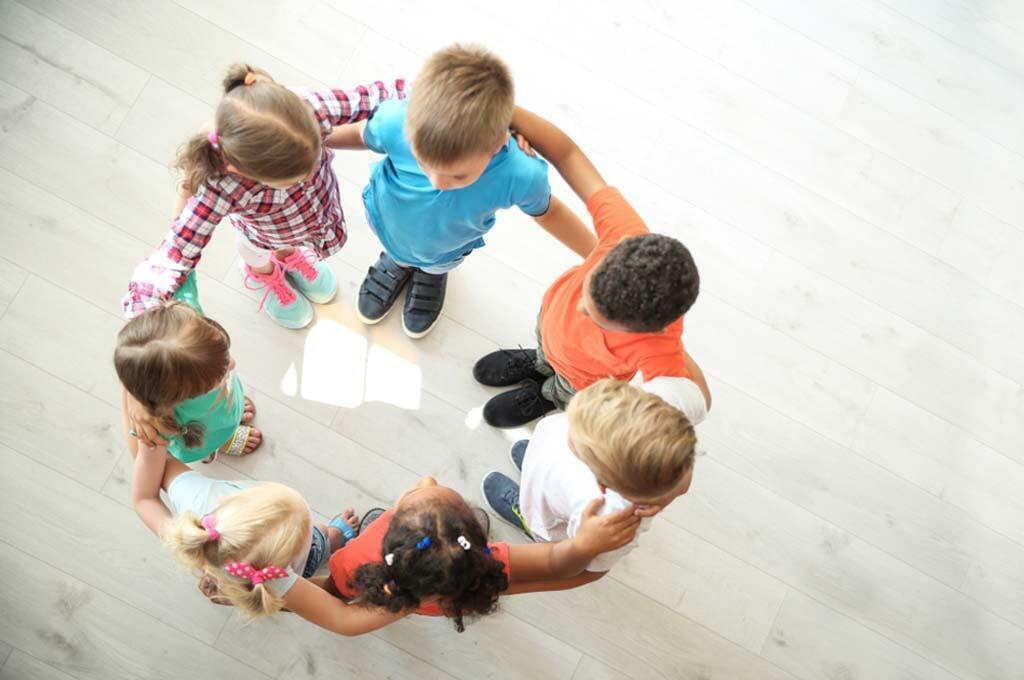
Child socialization is the process of learning how to interact with others, communicate needs, manage emotions, and understand social cues. These skills develop gradually through repeated exposure to responsive caregiving and real-life experiences.
Research from the Center on the Developing Child at Harvard University shows that early social interactions help shape brain architecture, emotional regulation, and long-term relationship skills (Center on the Developing Child at Harvard University, 2023). This means children do not need formal instruction to learn social skills. They need consistent, engaged caregivers who respond thoughtfully to their cues.
Nanny-led care offers something unique. Children receive individualized attention in a familiar environment where they feel emotionally secure. This sense of safety allows them to explore social interactions without pressure.
The American Academy of Pediatrics highlights that strong, stable relationships with caregivers support emotional health and social competence in early childhood (American Academy of Pediatrics, 2012). Because nannies spend extended time with children, they can respond in real time to social moments as they happen, adjusting support based on each child’s personality and developmental stage.Infants
Even babies are learning social skills. Eye contact, vocal exchanges, facial expressions, and gentle back-and-forth interactions help infants understand communication and trust.
The “serve and return” model shows that when caregivers respond consistently to a baby’s signals, it supports healthy brain development (Center on the Developing Child at Harvard University, 2023).
Toddlers
Toddlers begin practicing emotional expression, turn-taking, and peer awareness. Socialization at this stage often looks like parallel play, naming emotions, and guided sharing.
Preschool-Aged Children
As children grow, they develop cooperation, empathy, and problem-solving skills. Nannies support this through group play, conversation, and calm guidance during conflict.
Through Routines
Daily routines such as meals, getting dressed, cleanup, and transitions offer predictable opportunities for social learning. Children practice listening, responding, and following cues within a safe structure.
Consistent routines help children feel secure, which supports emotional and social development (Zero to Three, 2021).
Through Play
Play allows children to explore social roles, cooperation, and communication in a low-pressure way. Nannies observe when to step in and when to allow children to work things out independently.
Play has been shown to support social and emotional development by helping children understand rules, relationships, and empathy (American Psychological Association, 2014).
Through Emotional Guidance
Social moments often come with big emotions. Emotionally supportive and equipped nannies help children identify feelings, understand others’ perspectives, and recover from frustration.
Teaching emotional regulation through supportive guidance improves empathy and social problem-solving skills (Child Mind Institute, 2020).
Through Community Experiences
Outings such as playground visits, library story times, and playdates expose children to new environments and peer interactions. Nannies prepare children ahead of time and provide reassurance during unfamiliar settings and situations.
Research suggests that gradual exposure to social environments supports adaptability and confidence in young children (Brooks et al., 2017).Effective socialization is never rushed. Children learn best when they feel emotionally safe and supported.
Nannies will:
Model respectful communication
Encourage interaction without pressure
Step in when safety or emotional regulation is needed
Allow children to recover from social challenges in their own time
Adjust guidance based on each child’s comfort level
Social development is strongest when caregivers and parents communicate openly. At Honest Care Nanny Agency, we encourage alignment around family values, routines, and social goals.
Sharing observations helps caregivers support children consistently across environments, building trust and confidence over time.

Honest Care Nanny’s Take
At Honest Care Nanny Agency, we believe socialization is part of whole-child care. It happens in everyday moments, guided by caregivers who understand development, respect individuality, and create emotional safety.
Our nannies do more than supervise. They help children build real-world social skills through thoughtful daily interactions that support long-term confidence and connection.
If you are looking for a nanny who understands child development and supports social growth through everyday care, we are here to help.
Reach out to Honest Care Nanny Agency to learn more about our placement process and trusted caregivers.
References
American Academy of Pediatrics. (2012). Social-emotional development.
https://publications.aap.org/pediatrics/article/129/1/e232/30542
American Psychological Association. (2014). The importance of play in promoting healthy child development.
https://www.apa.org/monitor/2014/06/play
Brooks, S. K., et al. (2017). The impact of social exposure on child development. National Center for Biotechnology Information.
https://www.ncbi.nlm.nih.gov/pmc/articles/PMC5330336/
Center on the Developing Child at Harvard University. (2023). Serve and return interaction shapes brain architecture.
https://developingchild.harvard.edu/science/key-concepts/serve-and-return/
Child Mind Institute. (2020). Teaching children emotional regulation.
https://childmind.org/article/teaching-emotional-regulation/
Psychology Today. (2023). Attachment and relationships.
https://www.psychologytoday.com/us/basics/attachment
Zero to Three. (2021). The power of routines.
https://www.zerotothree.org/resource/the-power-of-routines/